
How Rimi Lithuania’s regional managers won the peak season using Traxlo’s self-service task ordering dashboard
Updated: Jan 27
This page features a case study of Traxlo’s collaboration with Rimi. RIMI case study official publication you can find here.
Customer
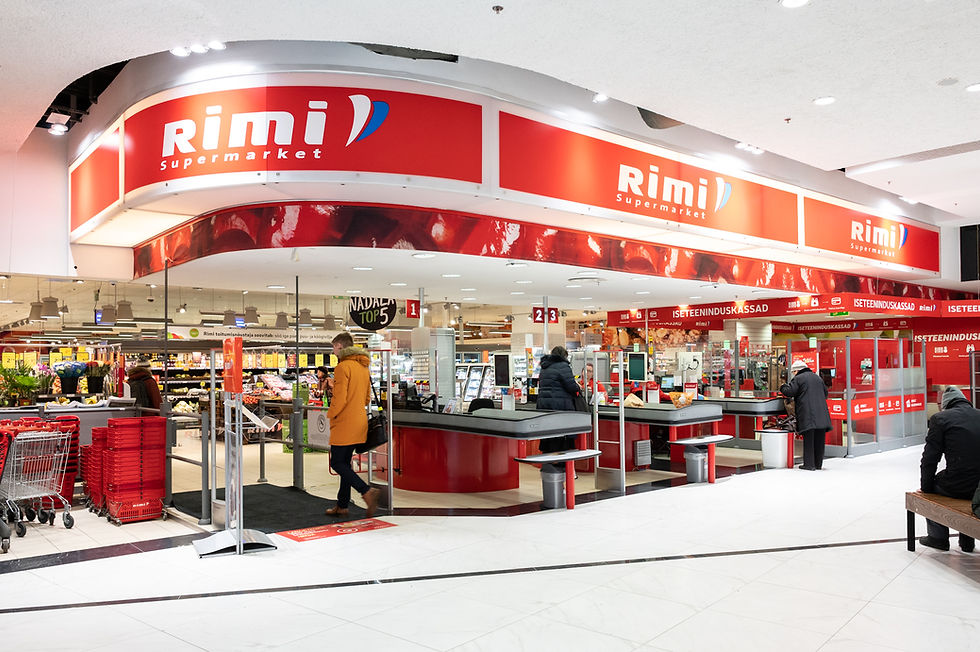
Rimi Baltic is one of the leading grocery retail chains in the Baltic States and is part of Denmark’s Salling Group. The collaboration with Traxlo began in 2023 as part of the “Rimi Open Innovation” initiative. Following a successful pilot project and close cooperation with regional managers, Traxlo’s self-service task ordering system was purposefully adapted to the client’s needs and implemented in the majority of Rimi stores in Lithuania.
Cooperation with RIMI:
Thousands
of ordered tasks
91%
Christmas period task completion
Reduced workload
for stores during peak periods
Situation management in the hands of regional managers

“During peak periods, we were able to respond quickly to real-time situations in our stores and deploy support exactly where it was needed most.” - Rimi Lithuania Regional Manager
Challenges
Like all major retailers, Rimi faces unexpected workforce shortages caused by peak periods, employee illness, or sudden spikes in pallet volumes. In such situations, stores require fast, on-demand support, often for short, micro-shifts lasting just a few hours.
Solution
Traxlo introduced a self-service task ordering dashboard that enables retailers to order shelf replenishment tasks for specific stores at any time. Using this system, Rimi’s regional managers were able to order tasks precisely when stores required the greatest level of additional support. The solution provided regional managers with full flexibility to control task volumes, timing, and store selection.
Changes in day-to-day store operations
Regional managers were able to instantly deploy additional support.
Stores received assistance exactly when pallet volumes reached peak levels, particularly ahead of the busiest customer traffic hours.
Peak demand was managed consistently through the self-service task ordering dashboard: Task ordered → Task completed → Automated reporting.